ST Employees Association of All India
The first Adivasi Sangh founded with Bahujan ideology
A problem-free future for tribals is our goal. Gratitude and responsibility, welfare and development, the pursuit of higher goals — that is our mission.
Registered 965 / 2019 A clenched & raised fist — Jai Bheem
About the Sangh
Founded because reservations alone did not finish the work
Seven decades after reservations came into force in independent India, the literacy rate among Scheduled Tribes has still not crossed fifty per cent. Recognising that hard fact, the ST Employees Association of All India was registered in 2019 as the first national association of Adivasi employees built on Bahujan ideology.
The Sangh is made up of serving officers and employees who have themselves benefited from reservation. Its founding argument is simple: those who received the benefit owe a debt to the society that made it possible. Dr. B.R. Ambedkar called this "Pay back to your society." Turning that call into daily, organised work is what the Sangh exists to do.
We work across all States and Union Territories, down to district, assembly-constituency and mandal committees, with an NRI committee abroad.
Our goal
A problem-free future for tribals — leadership, not just employment, in every field of national life.
Our mission
Gratitude and responsibility; welfare and development; the pursuit of the highest goals Ambedkar set for us.
Our emblem
A clenched and raised fist — Jai Bheem. Educate, Agitate, Organise is the working method behind it.
Path of inspiration
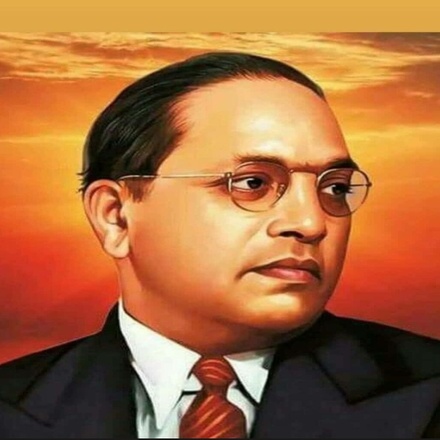
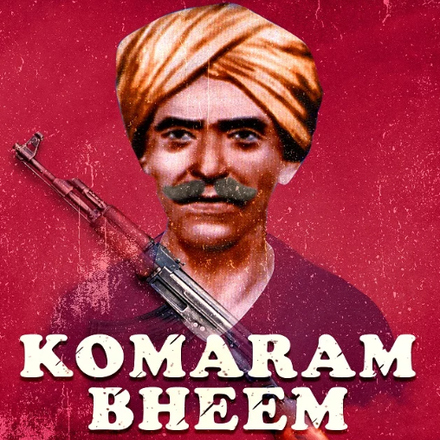
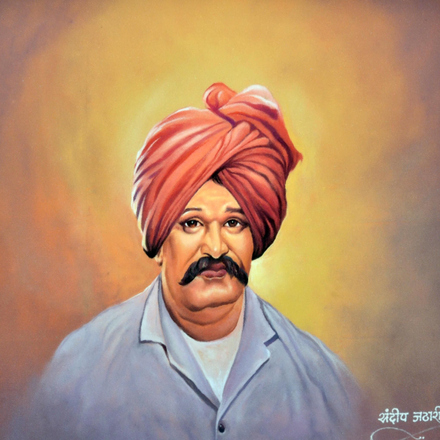
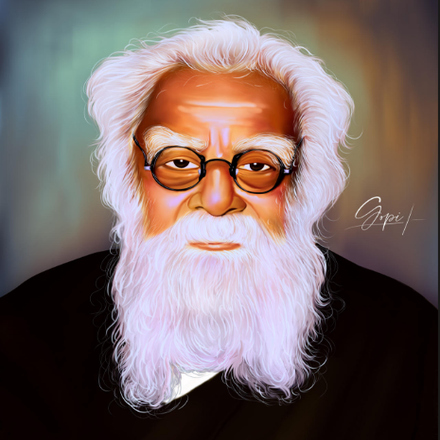
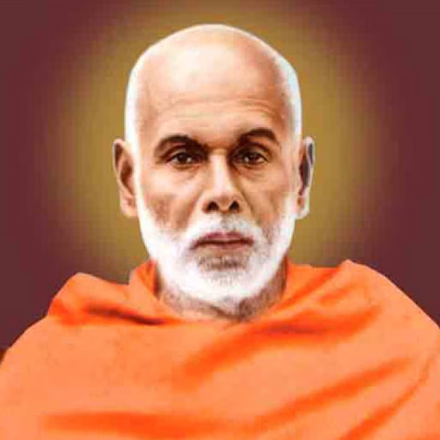
The Bahujan grandfathers and grandmothers we walk behind
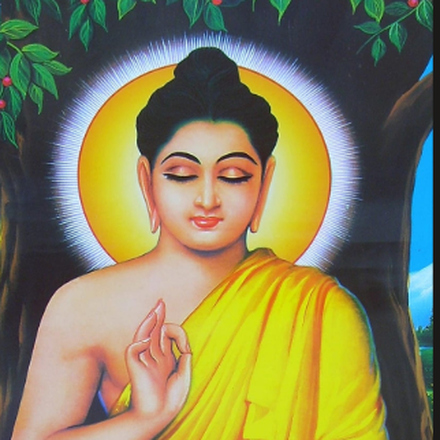
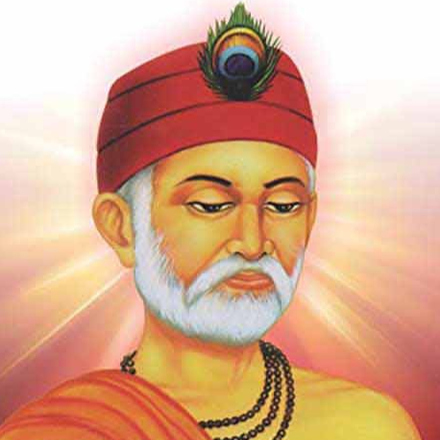
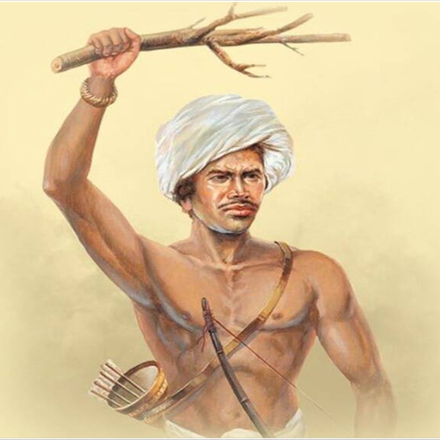
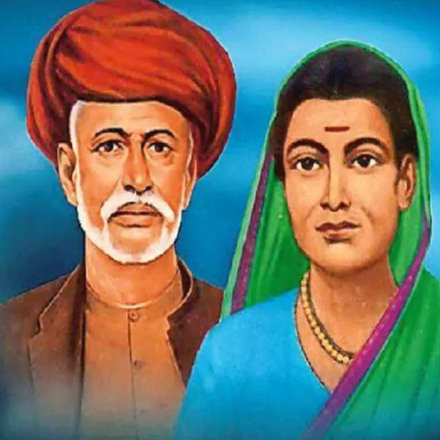

Message from the National President
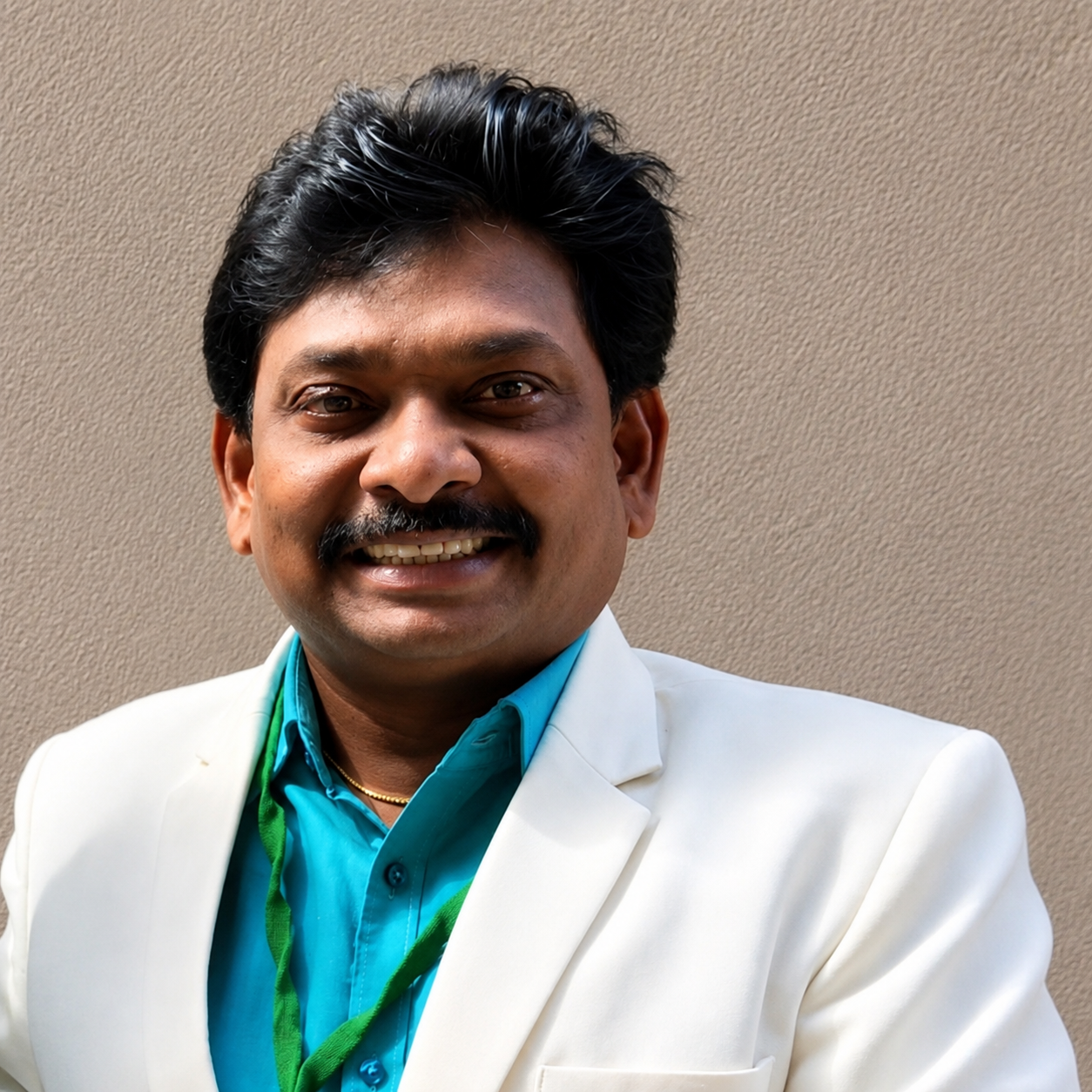
Dr. Devarakonda Venkateswarlu
Apex Body Chief Co-ordinator & National President · Deputy Engineer, Rural Water Supply · Honorary Doctorate, February 2021
Jai Bheem to all of you. More than seven decades of reservations have passed in independent India, and yet the literacy rate among Adivasis has not crossed fifty per cent. It was the weight of that fact that brought this association into being.
Development indices tell an equally hard truth: barely a tenth of India's Adivasi population can be called socially secure. Central and State governments work within the limits of their own ideologies. Meanwhile, among those of us who have enjoyed the fruits of reservation, a very large share have forgotten our social debt. A few months before he passed away, Baba Saheb Ambedkar said it plainly in his Delhi and Agra addresses — pay back to your society.
That call has been acted on only in the smallest measure. We intend to carry it out in full, beginning with literacy. The Sangh has launched the Chaitanya Yatra into Adivasi habitations and the Complete Adivasi Literacy Movement. Within the coming ten years we intend to see every Adivasi child under eighteen educated — and we have no doubt this work will draw the attention of the world.
We will work in every field: social, educational, employment, economic, political, scientific and technical, cultural, legal, media and sport — so that India stands foremost among the nations of the world. Our heartfelt thanks to you.
21 goals · 7 components
What the Sangh has set out to do
The twenty-one goals are numbered as they appear in the Sangh’s constitution and diary. Open any component to read them.
- 02
To act on the principle stated by every capable ruler — that the integral development of a country is possible only through the complete development of its most backward communities.
- 03
To lift Adivasis — presently confined to education and employment alone — into the front rank of social, cultural, technical, literary, scientific, agricultural, economic, business, industrial, journalistic and administrative fields as well.
- 04
To prepare the most backward Adivasis to lead society as a whole — the Sangh works as a workshop that produces capable leaders.
- 05
To defend, in its entirety, the Constitution of India written by Bharat Ratna Dr. B.R. Ambedkar.
- 06
To protect reservations, the Atrocities Act and every right and opportunity conferred by the Constitution in whatever form.
- 07
To open the way for the word "representation" to replace "reservation" in the Constitution, and to work for new rights and opportunities as contemporary conditions change.
- 08
To raise nationwide Adivasi literacy — still under 50% after 73 years of reservation — to 100%. The Sangh has already begun the Complete Adivasi Literacy Movement in both Telugu states and is working to spread it across the country.
- 09
To spread nationwide the awareness classes already begun for young men and women on higher education in India and study abroad.
- 10
To continue the free daily online (Zoom) classes we have run for a year for unemployed youth of all categories, from Group-4 through the Civil Services — which will help fill backlog posts at several levels.
- 11
To get governments to fill backlog vacancies at every level in every government department.
- 12
To have cancelled or amended the GOs containing the word "adequacy", which obstructs reservation in promotions — and to press for examination of the provisions of the 117th Constitutional Amendment Bill, still not approved.
- 13
To work for reservation in the private sector.
- 14
To make Adivasis aware of the welfare and development schemes conferred by the Constitution and framed by the various governments.
- 15
To bring into the light the true life histories of the Bahujan grandfathers and grandmothers, and of the leaders of preceding generations, who repaired lives shattered for thousands of years by the varna and caste systems.
- 16
To keep holding Sangh meetings inside Adivasi colonies and habitations wherever possible, so that this spirit reaches ordinary people too — and to continue the house-to-house visit we make in those habitations before each meeting begins.
- 17
To pursue Dr. B.R. Ambedkar's call to Educate, Agitate, Organise, along with the message "Pay back to your society", and the highest goals he set.
- 18
To further strengthen the NRI (overseas) committee along with the committees of every State and Union Territory, district, assembly constituency and mandal.
- 19
To build a Sangh that not only stands daily beside the leaders and families taking part in "Building the Foundations of the Sangh", but honours them or their descendants with its highest award at the Sangh's centenary in 2119 — so that a golden history of more than a hundred years is created.
- 20
To take into account every reasonable thought, opinion and suggestion of Adivasis, and act on them with the welfare of the Sangh as the aim.
- 21
To implement, without the slightest deviation, the constitution of the Sangh — itself framed in the spirit of the Constitution of India.
Work on record
Twenty-one things the Sangh has already done
In 2020, during the Corona pandemic, rice, provisions and vegetables were distributed free to about 9,000 families — STs and poor households of other communities — through 123 service programmes at a cost of ₹10 lakh.
Through 105 Zoom/online meetings, State, district, constituency and mandal committees were formed and training classes held to spread Bahujan thought.
Where ST candidates were being denied volunteer and Gram/Ward Sachivalayam posts, the Sangh took the matter to the officials concerned and had the rule of reservation implemented strictly.
After talks with Forest Department officials, boundary marking pending for a decade on lands belonging to Yanadi families near Piduguralla, Guntur district, was taken up.
Helped many government employees secure promotions that had been pending.
Obtained justice for many employees in pending service matters.
Stood with poor Adivasi people where dominant groups had created an atmosphere of conflict, and secured justice for them.
When the GO permitting serving government teachers to pursue higher studies was being cancelled, the Sangh took it up with senior officials and had GO 342 restored.
Stood for STs during transfers and deputations of government employees and obtained justice for many.
Held interaction programmes for students and unemployed youth with newly appointed IAS and IPS officers.
Printing calendars carrying Bahujan thought and distributing them to Adivasi families — a continuing programme.
Compiling reservation GOs and GOs on service matters into the Sangh diary and distributing it to Adivasi employees.
A continuing programme to make a leader of every Adivasi employee.
Launched the Complete Adivasi Literacy Movement to take Adivasi literacy from under 50% to 100%.
Taking Adivasi officers and employees into poor Adivasi habitations for the Chaitanya Yatra — a continuing programme.
A free coaching centre for government job competitive exams is run by the Sangh over Zoom for unemployed young men and women.
Support of many kinds extended to a large number of very poor students.
During the first and second waves of Corona, stood by many facing health difficulties and arranged timely medical care.
Extended various forms of assistance to Adivasi families left destitute for one reason or another.
Works in many ways against the social discrimination faced by employees and ordinary people alike.
Many social service programmes are conducted in Telangana by the State President, Smt. Marakala Prasanna Kumari.
Ongoing programmes
Where the work happens
Complete Adivasi Literacy Movement
Begun in both Telugu states, now spreading nationwide. The target: every Adivasi child under eighteen in school within ten years, and 100% literacy.
Daily online classes, Group-4 to Civil Services
Free classes over Zoom, every day, for unemployed youth of all categories. No fee, no entrance test — the aim is to see backlog posts filled.
Chaitanya Yatra into Adivasi habitations
Officers and employees go into the poorest habitations. Before every meeting begins, the team makes a house-to-house visit through the colony.
Promotions, transfers, backlog and rule of reservation
The Sangh takes up pending promotions, deputations, transfers and backlog vacancies with the departments concerned, and publishes the relevant GOs in its annual diary.
43 training classes conducted by Bahujan & secular leaders over Zoom
| # | Speaker | Subject |
|---|---|---|
| 1 | Sirra Karuna Raju, IAS | Role of employees in building a Bahujan society |
| 2 | Mallepalli Lakshmaiah (Writer) | Tribal rights — Ambedkar's work |
| 3 | Theegala Venkataiah | Attitude of Adivasis towards Ambedkar |
| 4 | Marakala Prasanna Kumari | Ambedkar's work for women's empowerment |
| 5 | Dr. Kadire Krishna | STs in the Bahujan sector |
| 6 | Dr. Kathi Padma Rao | Ambedkar's association with books |
| 7 | Dr. Prakash Ambedkar (Grandson of Ambedkar) | Real Ambedkarism |
| 8 | Prof. Dr. Devarakonda Ramesh (AU) | Education of the Bahujan forefathers and mothers |
| 9 | PSN Murthy, Retd. IAS | Status of reservations — the beneficiary's perspective |
| 10 | Bamcef Chiranjeevi | Who are the Adivasis? Their role in the formation of modern India |
| 11 | Prof. Dr. Gali Vinod Kumar (OU) | Attacks, irregularities and injustices against women, SCs and STs — a review |
| 12 | Dr. K.S. Bhagya Rao, IRS-VRS | Ambedkar's thoughts on media |
| 13 | Prof. Dr. PD Satyapal (AU) | Origins of STs — actual history and today's situation |
| 14 | Dr. Pratyusha Subbarao (Psychologist) | The personalities of Gautama Buddha, Mahatma Phule and Baba Saheb Ambedkar |
| 15 | Dr. S. Rajya Lakshmi (Women's Commission Member) | Laws, rights and empowerment of women |
| 16 | Dr. Chukka Nagabhushanam (Lecturer) | Why should STs know the ideology of Baba Saheb Ambedkar? |
| 17 | Shankara Sura | Phule — first in modern Indian social architecture |
| 18 | Prof. Dr. Katta Subbarao | How much technology is available today, and how much of it do we use? |
| 19 | Bethala Sudarshanam | What are the common goals of the Bahujans? |
| 20 | Palaparthi Balaji | The real moments of Gautama Buddha, the universal inspiration |
Speakers 1–20 of 43. The full list appears in the Sangh’s annual diary.
Bahujan calendar
Days the Sangh observes
Selected dates from the eighty-three days listed in the Sangh’s diary. Choose a month.
Vardhanti of Sant Kabir, 1518
Savitribai Phule Jayanti / Women Teachers’ Day
Osmania University confers Doctor of Literature on Ambedkar, 1953
Republic Day
Ambedkar’s report to the Southborough Committee, 1919
Ambedkar meets the Simon Commission, 1928
Ambedkar meets Gandhi in Yerwada jail, 1933
Hindu Code Bill introduced in Parliament, 1951
Ramabai Ambedkar Jayanti, 1897
Draft Constitution of India prepared, 1948
Sant Gadge Baba Jayanti, 1876
National Science Day
Kalaram temple entry struggle begins, 1930
International Women’s Day
Savitribai Phule Vardhanti, 1897
Bahujan Nayak Kanshi Ram Jayanti, 1934
Ambedkar’s historic address to the Scheduled Castes, 1956
Mahad water struggle — the first human rights fight led by Ambedkar, 1927
Mountaineer Malli Mastan Babu, martyred 2015
Ambedkar launches Bahishkrit Bharat, 1927
Ambedkar’s marriage to Ramabai, 1906
Babu Jagjivan Ram Jayanti, 1908
World Health Day
Mahatma Jyotiba Phule Jayanti, 1827
Ambedkar’s portrait unveiled in the Central Hall of Parliament, 1992
Dr. B.R. Ambedkar Jayanti, 1891
International Workers’ Day
Alluri Sitarama Raju Vardhanti, 1924
Phule conferred the title ‘Mahatma’, 1889
Ambedkar submits his research on castes to Columbia University, 1916
Interim Government / Constituent Assembly formed, 1946
Ramabai Ambedkar Vardhanti, 1935
Sahu Maharaj and Ambedkar’s call for prohibition, 1920
Vennelakanti Raghavayya Jayanti, 1897 / Jhalkaribai’s sacrifice, 1858
Columbia University confers Doctor of Law on Ambedkar, 1952
Jana Nayak Birsa Munda Vardhanti, 1900
Ambedkar founds Siddharth College, 1946
Sahu Maharaj Jayanti, 1874
Sant Kabir Jayanti, 1456
Phule couple open a school for Shudras, 1851
Alluri Sitarama Raju Jayanti, 1897
Jagjivan Ram Vardhanti
Ambedkar’s call — Educate, Agitate, Organise, 1942
Resolution to place the Ashoka Chakra on the national flag, 1947
Gurram Jashuva Vardhanti, 1971
World Indigenous Peoples’ Day
Independence Day
Narayana Guru Jayanti, 1854 / Mother Teresa Jayanti, 1910
Ambedkar elected chairman of the Drafting Committee and made India’s first Law Minister, 1947
The day the Criminal Tribes Act was repealed, 1952
Malli Mastan Babu Jayanti, 1974
National Teachers’ Day / Mother Teresa Vardhanti, 1997
International Literacy Day
Phule couple establish a school for girls, 1851
Periyar Ramaswamy Jayanti, 1878
Narayana Guru Vardhanti, 1928
Ambedkar’s Andhra tour / Poona Pact observed as Black Day
Ambedkar resigns as Minister, 1951
Gurram Jashuva Jayanti, 1895
S.R. Sankaran Vardhanti, 2010
Komaram Bheem Vardhanti, 1940
Kanshi Ram Vardhanti, 2006
The day the Criminal Tribes Act came into force, 1871
Ambedkar embraces Buddhism, 1956
First Round Table Conference in London, 1930
Komaram Bheem Jayanti, 1901 / S.R. Sankaran Jayanti, 1934
Kalekuri Prasad Jayanti, 1964
Ambedkar declares Buddha, Kabir and Phule his gurus
Birsa Munda Jayanti, 1875
Vennelakanti Raghavayya Vardhanti, 1981
Constitution Day of India, 1949
Mahatma Phule Vardhanti, 1890
Article 17 abolishing untouchability adopted, 1948
Kanshi Ram founds BAMCEF, 1978 / Ambedkar Mahaparinirvan, 1956
Ambedkar’s last journey, 1956
Human Rights Day
Sahu Maharaj Vardhanti, 1922
Sant Gadge Baba Maharaj Vardhanti, 1956
Periyar Ramaswamy Vardhanti, 1973
Manusmriti Dahan Din, 1927
No entries listed for this month.
I… my Sangh… my pledge
I pledge that, in accordance with the aspirations and goals of the Sangh, with purity of mind and dedication, with integrity, honesty and righteousness, I will work for the building of an equal society. I swear that I will prove my ability — in word and in deed — to create for my Sangh a golden history and a reputation lasting more than a hundred years.
Jai Adivasi · Jai Bahujan · Jai Secularism · Jai Bheem · Jai Bharath
Leadership
Office bearers
National, State, district, assembly-constituency and mandal committees, together with an NRI committee abroad.
Dr. Devarakonda Venkateswarlu
National President · Apex Body Chief Co-ordinatorSmt. Marakala Prasanna Kumari
State President, TelanganaCommittee members
State, district & mandal office bearers — list to be publishedMembership
Join the Sangh
Membership is open to serving and retired Scheduled Tribe officers and employees across India. Fill in your details and our State committee will contact you.
At least four hours a month, with your own people.
Contact
Reach the Sangh
Head office
ST Employees Association of All India (AISTEA)
Reg. No. 965 / 2019
[Office address — to be added]
Phone & email
Free coaching enquiries
Daily Zoom classes, Group-4 to Civil Services. Write to us for the joining link.